

flat glass manufacturers
The Importance and Versatility of OEM Saddle Pipe Clamps In the realm of plumbing and construction, the seemingly simple components often play a crucial role in ensuring the stability and efficiency of various systems. One such essential component is the OEM saddle pipe clamp. These clamps are integral to the installation and maintenance of piping systems, allowing for secure connections and seamless operation. This article delves into the importance, versatility, and application of OEM saddle pipe clamps in various industries. What is an OEM Saddle Pipe Clamp? OEM stands for Original Equipment Manufacturer, which signifies that the saddle pipe clamps are manufactured to meet specific standards set by the original equipment. A saddle pipe clamp is designed to support pipes at various angles or to stabilize them against external forces. Typically, it features a saddle-like design that wraps around the pipe and tightens securely using bolts or screws, ensuring the pipe remains in place without any movement, which might lead to leaks or failures. Why Are OEM Saddle Pipe Clamps Important? 1. Enhanced Stability One of the primary functions of saddle pipe clamps is to provide stability. They prevent pipe movement that could lead to bending or stress, which might ultimately result in leaks or failures. This is particularly critical in environments where pipes are subject to vibrations, thermal expansion, or significant pressure changes. 2. Ease of Installation OEM saddle pipe clamps are designed for easy installation, allowing for quick setup in various applications. Their user-friendly design means that even those with minimal experience can secure pipes effectively, leading to time and cost savings during installation projects. 3. Corrosion Resistance Many OEM saddle pipe clamps are manufactured from materials that are resistant to corrosion and rust. This is essential in environments where pipes may be exposed to moisture or other harsh conditions. By preventing corrosion, these clamps extend the lifespan of the piping system, reducing the need for repairs and replacements. oem saddle pipe clamp 4. Versatility OEM saddle pipe clamps can be utilized across a broad spectrum of industries, including plumbing, HVAC, and industrial manufacturing. Whether for residential plumbing systems, complex industrial piping, or heating and cooling systems, these clamps provide the necessary support and reliability. Applications of OEM Saddle Pipe Clamps 1. Residential Plumbing In homes, OEM saddle pipe clamps are crucial for securing water supply lines, drainage pipes, and vent stacks. They help maintain the integrity of plumbing systems and prevent potential water damage caused by leaks. 2. HVAC Systems In heating, ventilation, and air conditioning (HVAC) applications, these clamps are employed to secure ductwork and refrigerant lines. Ensuring that these pipes are stable minimizes noise and enhances the overall efficiency of the system. 3. Industrial Settings In manufacturing plants, OEM saddle pipe clamps facilitate the transport of fluids and gases within complex piping systems. Their robust design is capable of handling high pressures and temperatures, making them ideal for applications involving steam or chemical processing. 4. Construction During construction, these clamps assist in the installation of temporary piping systems, supporting equipment like scaffolds or cranes where pipes need to be securely attached. Conclusion In conclusion, OEM saddle pipe clamps are indispensable components in various plumbing and construction applications. Their reliability, ease of use, and versatile nature make them a preferred choice for professionals across multiple industries. By enhancing the stability and efficiency of piping systems, these clamps play a critical role in ensuring that infrastructure operates smoothly and effectively. Investing in high-quality OEM saddle pipe clamps not only guarantees a secure connection but also contributes to the overall longevity and performance of the systems they support. As industries continue to evolve, the demand for reliable and efficient piping solutions, such as OEM saddle pipe clamps, will undoubtedly remain a focal point in construction and maintenance.
about
flat glass manufacturers
Understanding Standard Bore Gages A Comprehensive Overview In various industries, particularly in manufacturing and engineering, precision is paramount. One critical tool that ensures accuracy in measuring cylindrical components is the standard bore gage. This device is instrumental in assessing the inner dimensions of holes, cylinders, and other tubular structures. In this article, we will delve into the importance of standard bore gages, their applications, types, and how they contribute to quality assurance in various sectors. What is a Standard Bore Gage? A standard bore gage is a precision measuring instrument designed to measure the diameter of a bore or hole. It typically features an expandable measuring head that can be adjusted to fit the internal diameter of the bore being measured. The measurements obtained from a standard bore gage are vital for ensuring that components fit together correctly and function as intended. Importance in Manufacturing In the manufacturing industry, maintaining tolerances is crucial for the production of high-quality products. Standard bore gages play a significant role in quality control by allowing operators to quickly and accurately measure the internal dimensions of holes in components. This capability is particularly critical in industries that rely on tight tolerances, such as automotive, aerospace, and machinery manufacturing. Measuring the bore diameter helps in various processes, including 1. Fitting Components Ensuring that parts fit together with the required precision can significantly impact the overall assembly process. For instance, engine cylinders must have precise bore dimensions to accommodate pistons correctly, ensuring optimal engine performance. 2. Quality Assurance Regular measurement of bore dimensions during production helps pinpoint defects early in the manufacturing process. Detection of out-of-spec conditions can prevent costly rework or product failure. 3. Safety In industries like aerospace and automotive, substandard components can lead to catastrophic failures. Using standard bore gages helps ensure that all components meet safety standards. Types of Standard Bore Gages Standard bore gages come in various types, each designed for specific measuring needs. The two main categories are standard bore gage 1. Mechanical Bore Gages These use mechanical measurement principles, such as dial indicators or vernier scales. Mechanical gages are favored for their robustness, ease of use, and lack of dependence on batteries or electronic components. They are ideal for shop floor environments where durability is crucial. 2. Electronic Bore Gages These devices utilize digital technology to provide precise readings. With features like data storage and output to computers for further analysis, electronic bore gages are excellent for high-precision measuring environments. They often come equipped with features like Bluetooth connectivity to facilitate data transfer and improve workflow efficiency. How to Use a Standard Bore Gage Using a standard bore gage involves several straightforward steps 1. Preparation Ensure the gage is clean and calibrated before use. Selecting the appropriate measuring head based on the bore size is also essential for accurate measurements. 2. Insertion Carefully insert the bore gage into the bore or hole of the component. Adjust the gage until the measuring head expands to make contact with the inner walls. 3. Measurement Take the reading from the gage. For mechanical gages, this might involve reading a dial; for electronic gages, it will be displayed digitally. 4. Recording Document the measurement for further analysis, quality checks, or compliance with specification standards. 5. Repeat For accurate quality assurance, it is advisable to take multiple measurements at different locations within the bore. Conclusion Standard bore gages are indispensable tools in precision measurement for various industries. Their ability to ensure that components meet stringent tolerances is critical for effective manufacturing, safety, and quality assurance. Understanding the different types of bore gages available and their application techniques empowers manufacturers to make informed choices, ultimately enhancing product quality and operational efficiency. As technology advances, the capabilities of standard bore gages will continue to evolve, further solidifying their role as a cornerstone in precision engineering. In summary, whether through mechanical or electronic means, the accurate measurement of bore dimensions can make a significant difference in the reliability and effectiveness of manufactured products, underscoring the vital role of standard bore gages in the industrial landscape.
-

High quality industrial productsagement

High quality industrial products
View Details -

Meet the diverse needs of customers

Meet the diverse needs of customers
View Details -

Strict quality control

Strict quality control
View Details -

Top raw materials

Top raw materials
View Details -

Trusted supplier

Trusted supplier
View Details
Our application


news and information
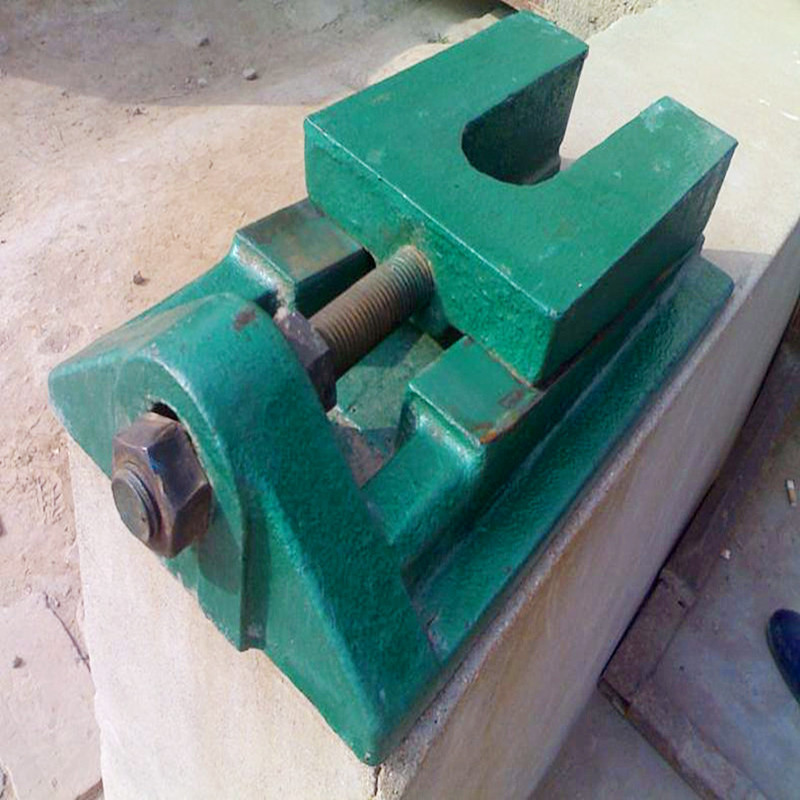
Water Flow Control Device for Efficient Shut-Off and Regulation
Understanding Water Shut-off Valves A Comprehensive Guide Water shut-off valves are essential compon
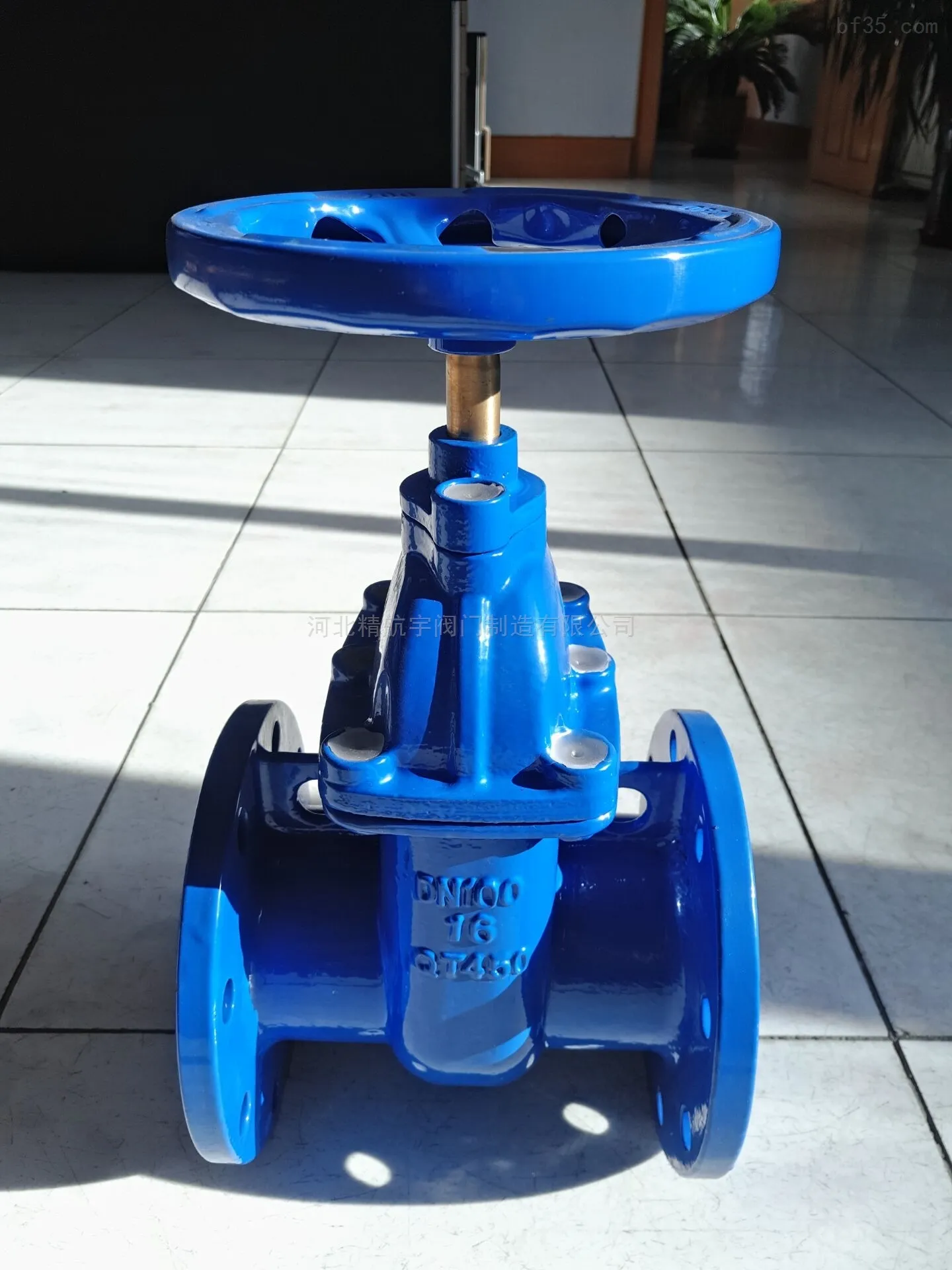
Valvola di ritegno di mezzo pollice
Valvole di controllo da mezzo pollice Funzioni e applicazioni Le valvole di controllo da mezzo polli
Y Type Strainer Maintains System Efficiency Long Term
In the realm of industrial fluid management, the y type strainer stands as an unsung hero, silently
 English